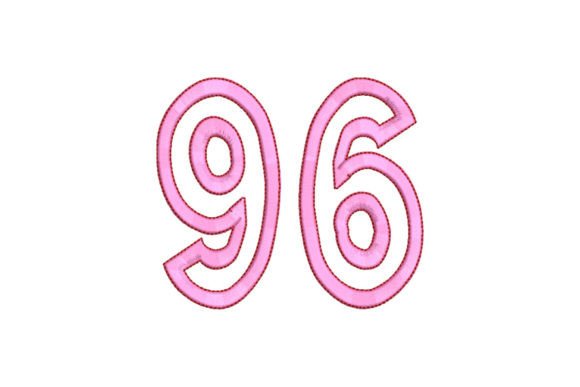
The 96 Embroidery Design: A Symbol of Elegance and Versatility
The number 96 is more than just a sequence of digits—it's a symbol of precision, complexity, and craftsmanship. In the world of embroidery design, the 96-themed pattern stands out as an elegant and meaningful motif that blends visual artistry with symbolic depth. This intricate embroidery design is not only visually stunning but also highly functional, offering a versatile solution for a wide range of creative and practical applications.
Understanding the Significance of 96 in Embroidery
While the number 96 may seem arbitrary at first glance, it carries a unique resonance in the context of embroidery. It represents a balance between simplicity and complexity, a harmony of structure and detail. In many cultures, numbers hold symbolic meanings—96 can be interpreted as a combination of 9 and 6, both of which are associated with abundance, creativity, and energy. This makes the 96 design particularly appealing to those who value both aesthetics and meaning in their work.
For embroiderers and designers, the 96 pattern offers a way to incorporate symbolism into their craft without sacrificing visual appeal. The design’s intricate elements reflect the number’s inherent complexity, while its clean lines and balanced composition evoke a sense of order and elegance. This duality makes the 96 design a powerful tool for those looking to infuse deeper meaning into their embroidery projects.
Where Does 96 Fit in the Creative Workflow?
The 96 design is not limited to a single use case—it can be integrated into various stages of a creative or business workflow. Whether you're working on a personal project, a client commission, or a product line, the 96 design can serve multiple purposes depending on your needs.
Before a project begins, the 96 design can act as a source of inspiration. Its intricate patterns can spark ideas for new designs or help set the tone for a collection. During the execution phase, the design can be used as a reference point, ensuring consistency across different pieces. After completion, it can be repurposed as part of branding materials, such as logos, packaging, or promotional items.
This flexibility makes the 96 design a valuable asset for creators who want to maintain a cohesive aesthetic across their work. It can also serve as a conversation starter, adding a layer of meaning to otherwise simple embroidery pieces.
Integration with Other Tools and Platforms
The 96 design is designed to work seamlessly with a variety of embroidery tools and platforms. It comes with multiple file formats, including .dst, .pes, .jef, and .exp, making it compatible with most major embroidery machines. This compatibility ensures that users can easily integrate the design into their existing workflows without the need for additional software or conversion steps.
For those who rely on digital design tools, the 96 design can be imported into programs like Adobe Illustrator or CorelDraw for customization. This allows for further refinement, such as adjusting colors, resizing, or combining the design with other elements. The ability to adapt the design to different mediums and formats enhances its versatility, making it suitable for both professional and hobbyist applications.
Additionally, the 96 design can be paired with other embroidery motifs to create custom collections. For example, it can be combined with floral patterns, geometric shapes, or abstract designs to create a cohesive visual language. This level of customization ensures that the design remains relevant and adaptable to evolving trends and preferences.
Practical Implementation Tips
Integrating the 96 design into your workflow requires careful planning and attention to detail. Here are some practical tips to help you make the most of this design:
- Prepare Your Workspace: Ensure that your embroidery machine is properly calibrated and that all necessary supplies are ready before starting a new project. This includes thread, fabric, stabilizers, and any other materials required for the specific design.
- Test the Design: Before embarking on a large-scale project, test the 96 design on a small piece of fabric to ensure that it looks as expected. This helps identify any potential issues with stitching or alignment early on.
- Organize Your Files: Keep your embroidery files organized by project, date, or category. This makes it easier to locate the right design when needed and helps maintain a consistent workflow.
- Use Quality Materials: Invest in high-quality threads and fabrics to ensure that the final result is both durable and visually appealing. The 96 design is intricate, so using the right materials will enhance its overall appearance.
- Experiment with Colors: While the design has a classic aesthetic, don’t be afraid to experiment with different color palettes. This can help the design stand out or fit better with your brand or project theme.
By following these best practices, you can ensure that the 96 design is executed to its full potential, delivering both beauty and functionality in every stitch.
Workflow Examples
The 96 design can be incorporated into a variety of workflows, depending on your goals. Here are a few examples:
- Personal Projects: Use the 96 design to create custom embroidered items such as clothing, accessories, or home decor. This allows you to express your personal style while incorporating meaningful symbolism into your work.
- Client Commissions: Offer the 96 design as part of a custom embroidery service. Its versatility makes it ideal for clients looking for something unique yet elegant.
- Product Lines: Incorporate the 96 design into a larger collection of embroidery products, such as tote bags, wall art, or fabric prints. This can help build a cohesive brand identity and attract a wider audience.
- Branding Materials: Use the 96 design as a logo or emblem for your business. Its intricate nature can add a touch of sophistication to your branding efforts.
These examples demonstrate how the 96 design can be adapted to fit different needs and objectives, making it a valuable addition to any embroidery toolkit.
Long-Term Use and Maintenance
To ensure the longevity of the 96 design, it’s important to consider factors such as maintenance, storage, and updates. Regularly cleaning and inspecting your embroidery machine can help prevent damage to the design over time. Storing the design files in a secure location ensures that they remain accessible for future projects.
As technology evolves, staying updated with new embroidery software and hardware can enhance the performance of the 96 design. Keeping your tools and files up to date ensures that you can continue to enjoy the benefits of this design for years to come.
Ultimately, the 96 design is more than just an embroidery pattern—it’s a symbol of creativity, precision, and meaning. By understanding its significance and integrating it thoughtfully into your workflow, you can unlock its full potential and elevate your embroidery projects to new heights.